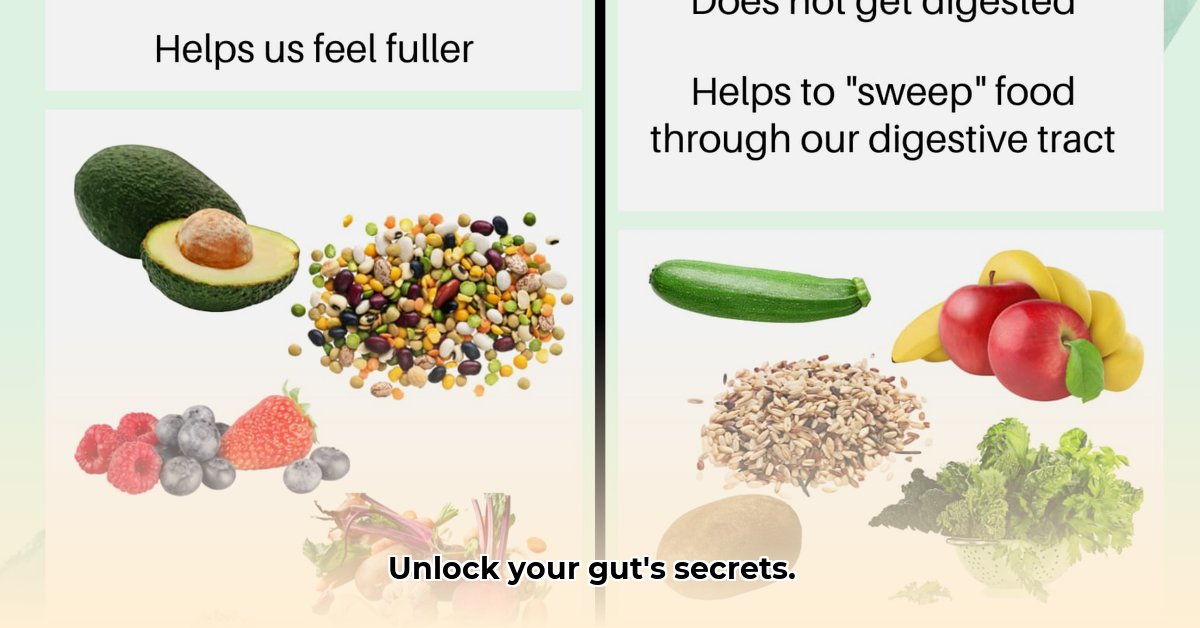
Eish, feeling a bit sluggish? Ja, that happens! Want more energie and to feel generally healthier? Then maak seker you're getting enough fibre! This isn't just another list of high-fibre foods; it's a gids showing you how to easily add more fibre to your meals and see the amazing difference it makes. We'll cover the best sources, give you practical tips, and even share some clever meal planning ideas to make it all easy and enjoyable. Let's get your gut feeling its best!
Unlocking the Power of Fibre: More Than Just a Number Two
Fibre isn't just about regular bowel movements (although that's a major benefit!). Think of it as the unsung hero of your digestive system, a vital part of a healthy gut. It's the part of plant-based foods your body can't fully digest. This indigestible material plays a crucial role in overall well-being. There are two main types: soluble and insoluble fibre.
Soluble fibre is like a friendly sponge – it absorbs water in your gut, forming a gel-like substance. This helps lower cholesterol levels and keeps your blood sugar steady. Insoluble fibre, on the other hand, acts more like a broom, adding bulk to your poop and helping things move along smoothly. It prevents constipation and supports regular bowel movements.
And here's the kicker: getting enough fibre feeds the beneficial bacteria in your gut, your gut microbiome. These friendly bacteria are essential for a flourishing digestive system and overall health. A happy gut truly equals a happier you, with increased energy and a stronger immune system! Isn't that something?
Your Delicious Guide to High-Fibre Foods: A Rainbow of Goodness
Let's explore the delicious world of fibre-rich foods. The key is variety – a mix of both soluble and insoluble fibre for optimal gut health. Don't just focus on one type of food. A balanced approach will make a massive difference.
| Food Group | Tasty Examples | Fibre Type | Benefits |
|---|---|---|---|
| Fruits | Apples, pears, berries, bananas, avocados | Soluble & Insoluble | Improved digestion, stabilized blood sugar, vitamins and minerals |
| Vegetables | Broccoli, Brussels sprouts, carrots, sweet potatoes, spinach | Insoluble & Soluble | Regular bowel movements, boosts immunity, rich in nutrients |
| Legumes | Beans (all kinds!), lentils, chickpeas | Soluble & Insoluble | Heart health support, sustained energy, protein powerhouses |
| Whole Grains | Oats, quinoa, brown rice, whole wheat bread | Soluble & Insoluble | Improved digestion, stable blood sugar, complex carbohydrates |
| Seeds & Nuts | Chia seeds, flax seeds, almonds, sunflower seeds | Soluble & Insoluble | Added nutrients, omega-3 fatty acids, fiber boost |
Boosting Your Fibre Intake: Small Steps, Big Changes
It's not about a dramatic diet overhaul; it's about making smart, gradual changes. Think of it as a gentle journey towards better gut health, rather than a race.
Start Slowly: Don't try to increase your fibre intake drastically overnight. This could lead to discomfort. Gradually add one or two extra servings of high-fibre foods each week. Your body will adjust better this way.
Whole Grains Rule: Swap refined grains like white bread and white rice for whole-grain options. The difference in how you feel will be noticeable!
Embrace the Bean Family: Add lentils, chickpeas, or black beans to your meals. They're incredibly versatile and add a protein and fiber boost.
Fruit and Veggie Power-Up: Aim for at least five servings of fruits and vegetables daily.
Hydration is Key: Drink plenty of water. Fibre absorbs water; staying hydrated is essential for smooth digestion. This prevents constipation.
Potential Hiccups and How to Handle Them: It's Not Always Smooth Sailing
Increasing your fibre intake might initially lead to some bloating or gas. Don't panic! This is often temporary as your gut microbiome adapts. The key is to increase it slowly. If these issues persist, chat with your doctor or a registered dietitian.
It's also important to note that everyone's body is different. What works for one person might cause problems for another. This is a journey; find what works best for your body.
Making Fibre a Lifelong Friend: It's a Lifestyle, Not a Fad
Don't think of this as a temporary diet; it's a sustainable lifestyle change. A high-fibre diet isn't just about gut health; it's linked to lower cholesterol, controlled blood sugar levels, and potentially even a reduced risk of certain chronic diseases. It's an investment in your long-term health and well-being. Your future self will thank you!
How to Gradually Increase Fiber Intake Without Bloating
Key Takeaways:
- A gradual increase in fiber is key to avoiding uncomfortable bloating.
- Start slowly, adding only a small amount of extra fiber each week.
- Prioritize whole foods over supplements.
- Drink plenty of water to help fiber move smoothly through your system.
- Listen to your body and adjust your intake as needed.
- Soluble fiber generally causes less gas than insoluble fiber.
- Diversity in fiber sources is important for a healthy gut.
Many people dream of a happier, healthier gut! But the journey to increased fibre can feel a bit bumpy, especially if you are prone to bloating. Let's change that. This guide shows you how to gradually increase fiber intake without bloating.
A Step-by-Step Guide to More Fibre
Assess your current intake. How much fiber are you currently eating?
Set a realistic goal. Aim for a modest increase of 1-5 grams of fiber per week.
Choose whole foods. Whole grains, fruits, vegetables, and legumes are your allies.
Incorporate fiber gradually. Don't suddenly switch to a high-fiber diet.
Hydration is your friend. Ample water is crucial.
Listen to your body. Pay attention to how your body reacts.
Fiber Sources: Your Gut's Best Friends
| Food Group | Examples | Fiber Type (Mostly) |
|---|---|---|
| Fruits | Apples, berries, bananas, pears | Soluble |
| Vegetables | Broccoli, spinach, Brussels sprouts, carrots | Both |
| Legumes | Lentils, beans, chickpeas | Both |
| Whole Grains | Oats, brown rice, quinoa, whole-wheat bread | Both |
Remember, soluble fiber is generally easier on the gut than insoluble fiber.
Addressing Bloating and Gas
Bloating is a common experience while increasing your fiber intake. To minimise this:
- Introduce fiber slowly: This is the most important step!
- Stay hydrated: Drinking sufficient water is essential.
- Choose low FODMAP options: If bloating persists, consider limiting high FODMAP foods. Consult a registered dietitian for this.
- Combine soluble and insoluble fibers: This can help to balance your gut flora and reduce gas production.
This journey is about incremental progress. Celebrate your every step. With a little patience and the right approach, you can nurture a healthier, happier gut, and enjoy the many benefits of a fibre-rich diet!